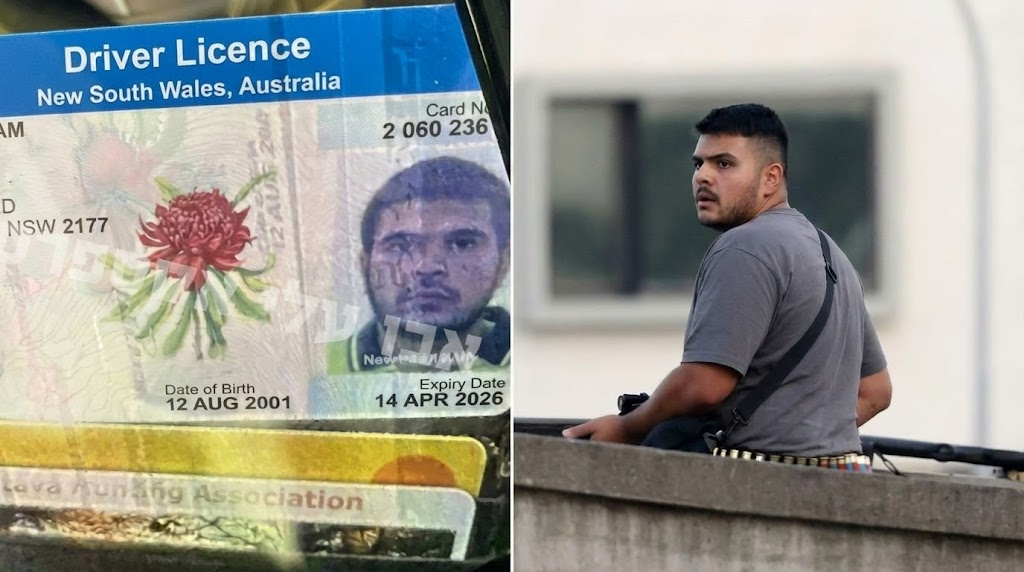
The pavement in Bondi did not turn red by accident. It happened in a place where people came to breathe, to laugh, to feel safe for just a moment in the noise of life. Parents walked with their children. Friends shared ordinary conversations. No one imagined that normal would end in seconds.
When the screams came, there was no shield—only confusion and fear. In those moments, people looked around for help that did not arrive fast enough. They ran, they hid, they held strangers’ hands. Some never made it home. Families were broken in an instant, left with questions that will never fully heal.
For years, safety was spoken about as an idea rather than a responsibility. Protection became paperwork. Warnings were labeled fear. Common sense was dismissed as intolerance. Slowly, the space between danger and defense grew wider, until one day it was too wide to cross in time.
This was not just an attack on people—it was an attack on trust. Trust that public spaces are safe. Trust that someone is watching. Trust that when evil shows its face, there will be resistance, not hesitation. Instead, there was silence where strength should have been.
Afterward came the familiar words. Sadness. Condolences. Empty statements that do nothing for the parents who will never hear their child’s voice again. Nothing for the friends who replay the moment over and over, wondering what could have stopped it.
Bondi is not just a place on a map now. It is a reminder of what happens when warning signs are ignored, when protection is treated as a theory instead of a duty, and when ordinary people pay the price for decisions made far away from the blood on the ground.
Some tragedies are called unavoidable. This one will be remembered as preventable.