The Jars Beneath the Apple Tree
In 1942, a young Polish social worker walked calmly through the gates of the Warsaw Ghetto, a toolbox balanced in her hands. The guards barely looked at her. She smiled, nodded, and passed through like she had done many times before. They never imagined that beneath the metal tools lay a six-month-old baby, sedated so it wouldn’t cry. If the sound had escaped, both of them would have been killed on the spot.
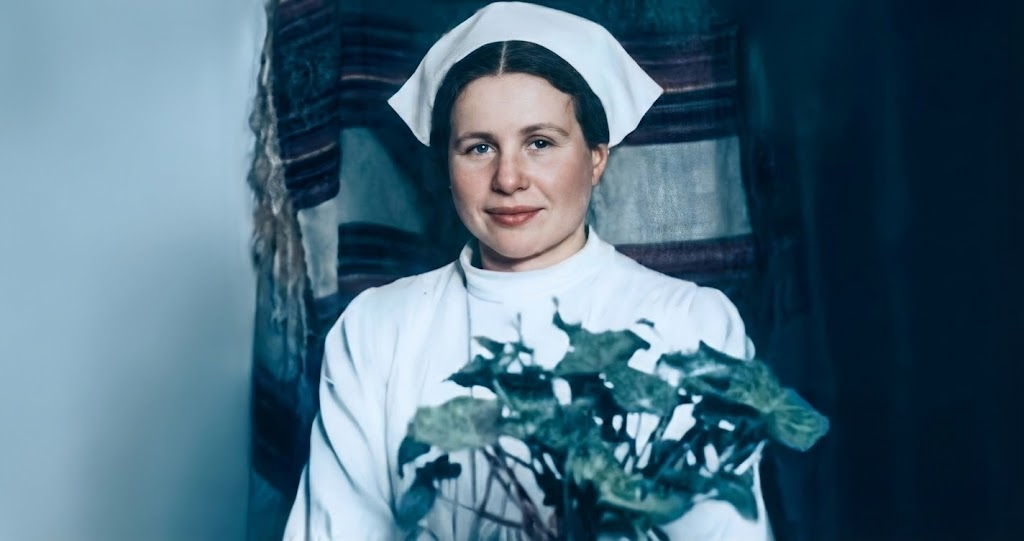
Her name was Irena Sendler.
Inside the ghetto, death was not sudden—it was slow. Hunger, disease, and despair wrapped themselves around families until hope felt dangerous. Parents faced choices no one should ever have to make: hold their children and watch them die, or hand them to a stranger and pray they might live.
Irena became that stranger.
Officially, she entered the ghetto to inspect for typhus. Unofficially, she was stealing children from death. Infants were hidden in toolboxes. Toddlers were sedated and smuggled out in burlap sacks labeled as laundry. Ambulances carried children beneath fake corpses. Older kids were guided through pitch-black sewers, Irena whispering for them not to make a sound as armed patrols walked above.
Each rescue was a gamble with her life. Each success meant another empty bed, another grieving parent left behind—but also another child who might grow up free.
Irena knew the cost of survival would be memory. Names would be changed. Identities erased to protect the children. So she wrote everything down—real names, false names, hiding places—on tiny slips of paper. She sealed them in glass jars and buried them beneath an apple tree in a neighbor’s yard. If she didn’t survive, the truth still might.
In October 1943, the Gestapo came.
She was arrested, interrogated, and tortured. They wanted the list. They wanted the names. They wanted the children. Iron bars shattered her legs. Her feet and arms were broken. Pain followed pain, day after day. Still, she said nothing. Her body broke. Her silence did not.
On the day she was meant to be executed, guards dragged her from her cell. Then, unexpectedly, she was released. A resistance group had bribed an official to mark her as already dead. She limped away on broken legs—alive, but officially erased.
After the war, Irena returned to the apple tree. She dug up the jars. She tried to reunite the children with their families. Most parents were gone. But the children lived. And they grew. And their children grew too.
Two thousand five hundred lives survived because one woman refused to look away.
When the world later called her a hero, Irena disagreed. She said only that she wished she had done more.
But under that apple tree, humanity survived—one name at a time.