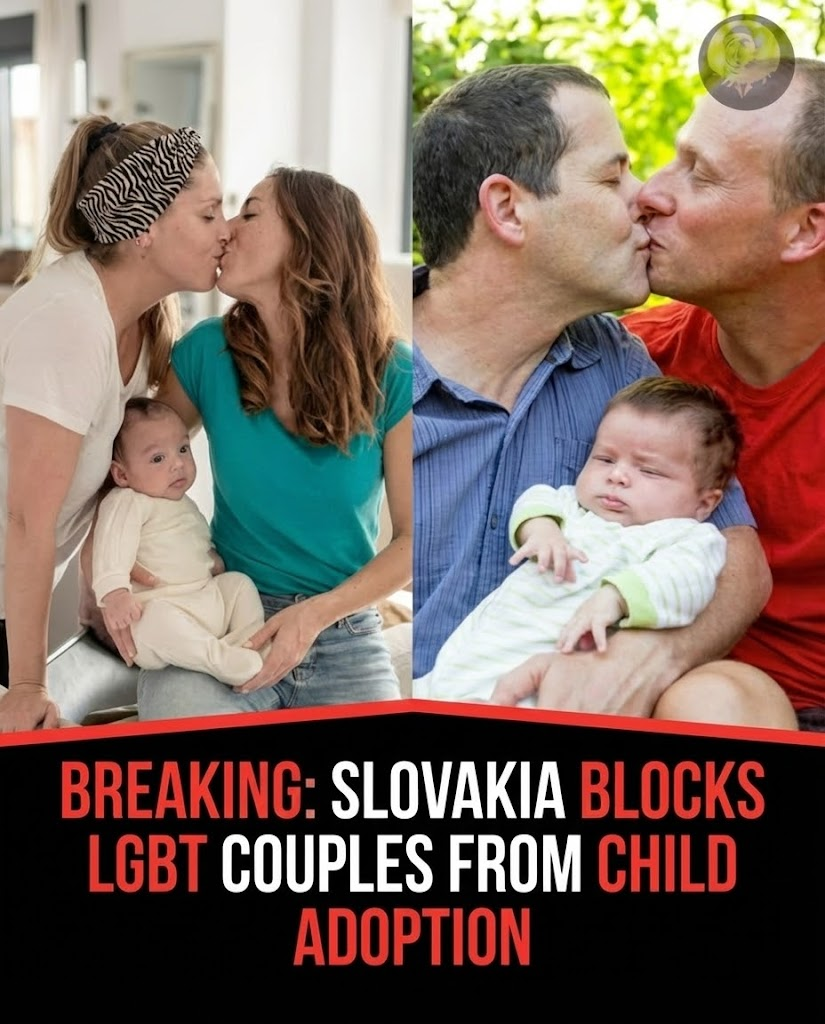
It happened quietly, with the stroke of a pen, but the impact was anything but small. In Slovakia, a new law was passed that bans same-sex couples from adopting children. For some, it felt like protection. For others, it felt like being erased.
Supporters of the law framed it as a defense of “traditional family values.” They argued that children deserve to grow up with a mother and a father, and that the state has a duty to preserve cultural and religious norms passed down through generations. In towns and villages across the country, many nodded in agreement, seeing the decision as a reflection of their beliefs and identity.
But for LGBTQ+ individuals and couples, the message landed differently. To them, the law didn’t protect children—it shut doors. Doors to stability. Doors to safety. Doors to homes filled with love that now would never be considered “enough” by law. Critics argue that the ruling doesn’t reduce the number of children needing homes; it only reduces the number of people allowed to care for them.
Advocacy groups quickly raised alarms, calling the ban discriminatory and harmful. They warned that children waiting in foster care or institutions are the ones who will ultimately pay the price. Research and lived experiences, they say, consistently show that what matters most isn’t the gender of parents, but the presence of love, security, and commitment.
Beyond Slovakia’s borders, concern spread across Europe. Human rights organizations cautioned that the move could deepen tensions between Slovakia and broader European values of equality and inclusion, particularly within the European Union. Some warned it could further isolate the country at a time when unity is already fragile.
Yet supporters remain firm. They insist the law reflects the will of the people and accuse critics of imposing outside values on a sovereign nation. To them, this isn’t about hate—it’s about preserving a vision of family they believe is under threat.
At its heart, the debate isn’t just legal or political. It’s deeply human. It asks a question that cuts through ideology and lawbooks alike: when a child needs a home, should love ever come with conditions?