At nineteen weeks, the room changed. The screen still glowed, the machine still hummed, but the doctor’s voice carried a weight that settled into our chests and refused to move. Our son’s cerebellum was severely underdeveloped. His heart carried a condition called DORV. There were other complications too, stacked quietly one on top of another, each one narrowing the future we had imagined. The words came carefully, almost gently: he likely wouldn’t survive the pregnancy past twenty-eight weeks. The recommendation followed soon after, wrapped in medical language meant to soften it — abortion, described as the “merciful” option. We drove home in silence, hands locked, our minds racing but our mouths empty. That night, we talked for hours. We questioned. We hoped the diagnosis was wrong. We sought another opinion. The answer didn’t change. And in that stillness, with nothing left to analyze or argue, we made the only decision that felt true to who we were. If our son’s life would be taken, it would not be by us.
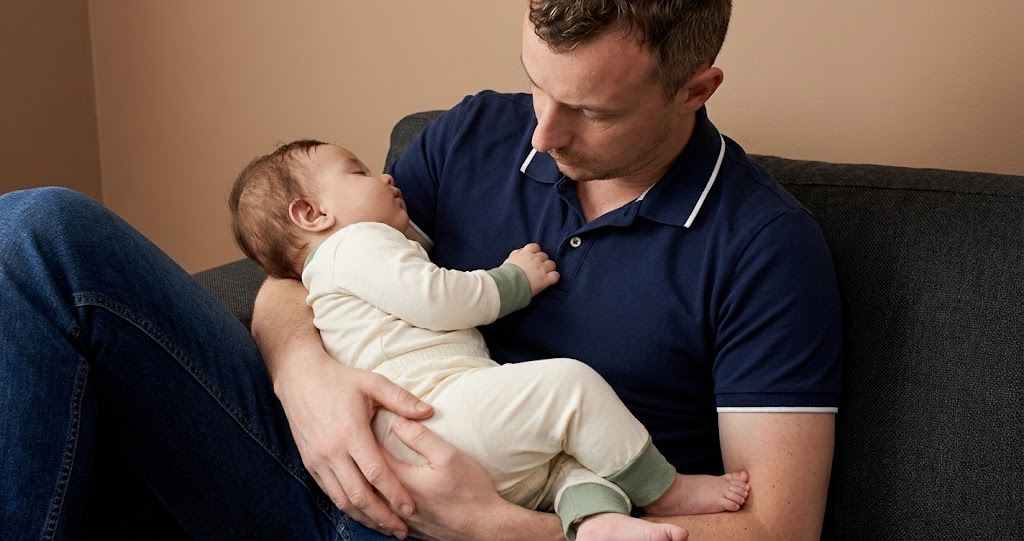
He surprised everyone by surviving. He arrived at thirty-five weeks, small but breathing, rushed straight into the NICU. It was August 2021, the height of COVID restrictions, and the hospital told us we couldn’t see him. We ignored that rule. We showed up every day anyway. We stood our ground, even when it created tension, even when it exhausted my wife as she healed from birth. Seeing our son mattered more than approval. After five weeks, they finally let us bring him home. That’s when the reality truly began. Cerebral palsy wasn’t a concept anymore — it was daily life. Therapy appointments replaced normal routines. Feeding tubes were inserted and reinserted. Progress came slowly, painfully earned. My wife became everything for him. She left her job, learned therapies most people never have to face, and carried the weight with a quiet strength that still humbles me. Love stopped being abstract. It became work, patience, and showing up again tomorrow.
We realized we needed family close, so when our son was six months old, we moved to Indonesia. Friends in Thailand had been kind beyond words, but family has a gravity of its own. There, something beautiful happened. Because of my wife’s relentless care, our son began to change. He learned to roll. He laughed — a sound that filled rooms bigger than any diagnosis. He followed us with his eyes, recognizing us, choosing us. Every small milestone felt monumental because we knew how hard he fought for each one. But his life was never easy. Behind every smile was effort. Behind every calm moment was a body working against itself. And inside me, another battle raged. I was angry — at God, at fate, at the unfairness of it all. I couldn’t understand why my child had to suffer, why this lesson had been assigned to us. Faith didn’t feel comforting. It felt confusing and sharp.
Three months after our second son was born, everything stopped. A seizure came without warning, and just like that, our first son was gone. Burying your child breaks something language can’t fully reach. It’s a pain that isolates, because no explanation ever feels complete. But time has a way of revealing truths we’re not ready to see while we’re bleeding. Slowly, I understood something that reshaped me. Those nineteen months were not a tragedy. They were a gift. A chance to know him, to love him, to hold him, so that when we meet again, we won’t be strangers. My son humbled me. He stripped away my pride, my certainty, my belief that I was in control. He taught me that some burdens aren’t punishments — they are invitations to become softer, deeper, more human. His name was Jake. And everything I am now, I carry because of him.