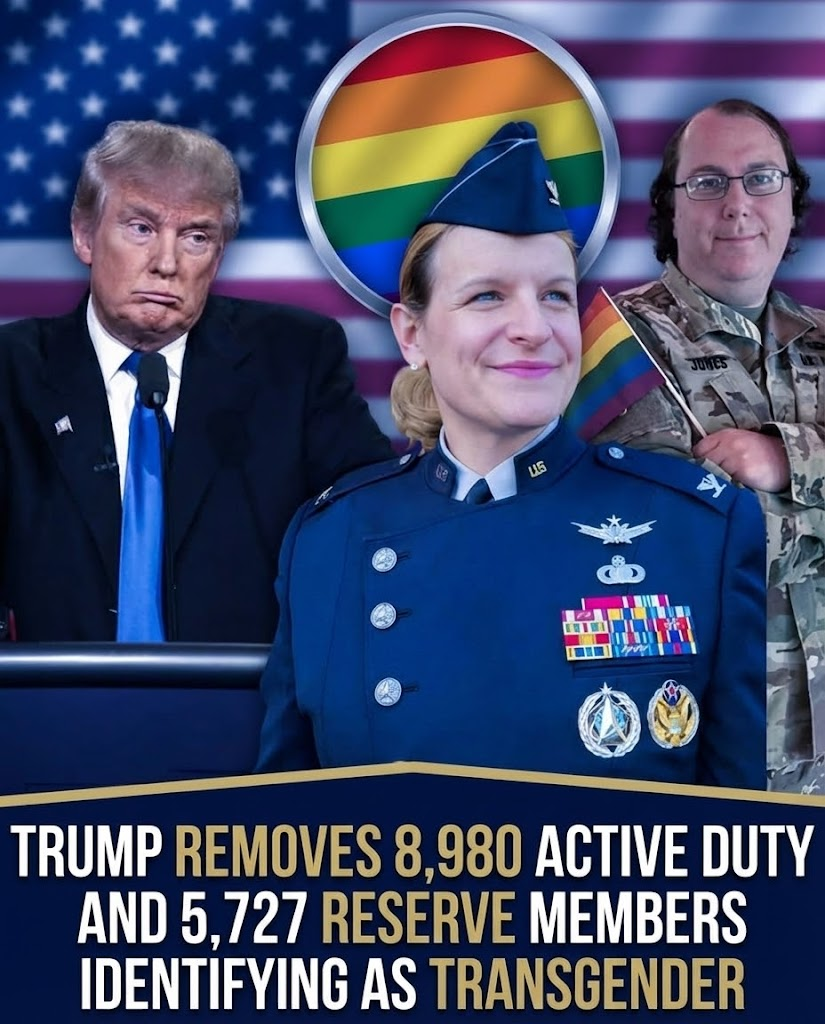
A quiet policy review at the top of military leadership has turned into a loud national conversation. The update, aimed at reshaping internal standards and expectations, is expected to directly affect some service members — including those who identify as transgender. What began as a procedural decision has quickly become an emotional and deeply personal debate.
For military officials, the message is clear. They argue the policy is designed to strengthen team unity, maintain discipline, and ensure operational readiness. In their view, the armed forces function best when expectations are uniform and clearly defined, especially in high-pressure environments where lives depend on cohesion and trust.
But for many service members and veterans, the conversation doesn’t feel that simple. Critics say the policy risks sidelining capable, dedicated individuals who have already proven their commitment through service. Advocacy groups warn that changes like this can affect morale, mental health, and retention — especially for those who feel singled out rather than supported.
Voices from within the ranks echo that concern. Some veterans point out that military history is full of moments when inclusion was once controversial but later recognized as essential. They argue that readiness isn’t just about rules and formations, but about valuing every trained, willing soldier who stands ready to serve.
Supporters of the policy see it differently. They believe clarity in standards protects fairness across the force and prevents confusion that could undermine effectiveness. To them, the issue is not about exclusion, but about preserving a system built for collective performance rather than individual identity.
As reactions continue to pour in, one thing is certain — this policy review has touched more than regulations. It has reached into the lived experiences of people who wear the uniform, challenging the balance between identity and service, policy and humanity.
The discussion is far from over. Leaders, service members, veterans, and the public are all weighing in, each bringing their own definition of what strength, unity, and preparedness truly mean in today’s military.